Research Peptides in Your Workplace: The Safety Risks No One’s Talking About
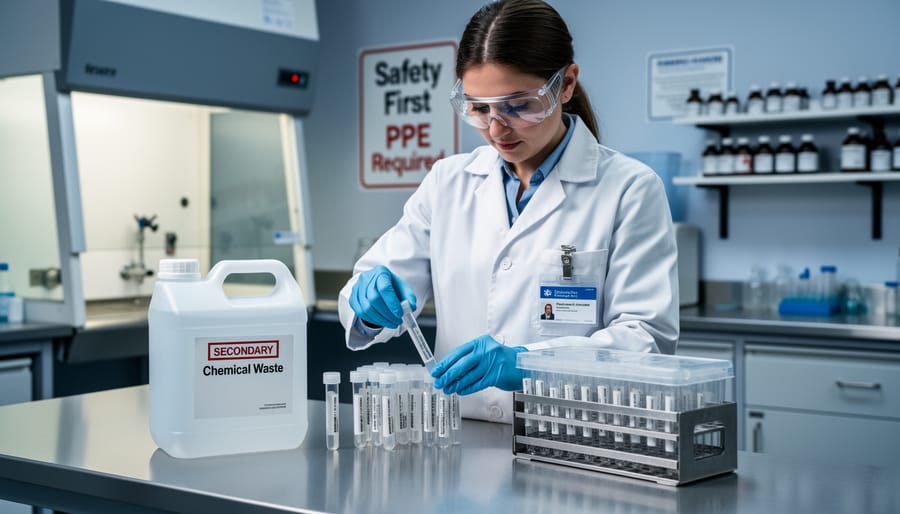
Research peptides present a distinct occupational safety challenge that requires Canadian workplaces to implement immediate hazard controls, establish clear procurement protocols, and ensure regulatory compliance before these compounds enter the facility. With the rise of online suppliers such as Kylo Peptides in Wyoming and similar vendors, these compounds have become increasingly accessible, but accessibility doesn’t equal workplace safety or legal clarity. Research peptides occupy a complex regulatory space. They aren’t approved for human consumption, yet they’re widely available for laboratory use. This creates significant liability for employers, who must distinguish between legitimate research applications and misuse while protecting employees from exposure risks.
For OHS professionals, the primary concern isn’t the science behind peptides but the practical safety measures required when these substances are present. Exposure routes, storage requirements, spill response protocols, and employee training become immediate priorities. You need clear answers about workplace air quality monitoring, personal protective equipment specifications, and waste disposal procedures that meet provincial standards.
The commercial investigation phase of your research should focus on verifying supplier credentials, understanding chain of custody documentation, and establishing purchasing controls that prevent unauthorized procurement. This introduction addresses the operational safety framework you need to implement, the compliance gaps you must close, and the risk management strategies that protect both your workforce and your organization from legal exposure.
What Are Research Peptides and Why They’re Entering Canadian Workplaces
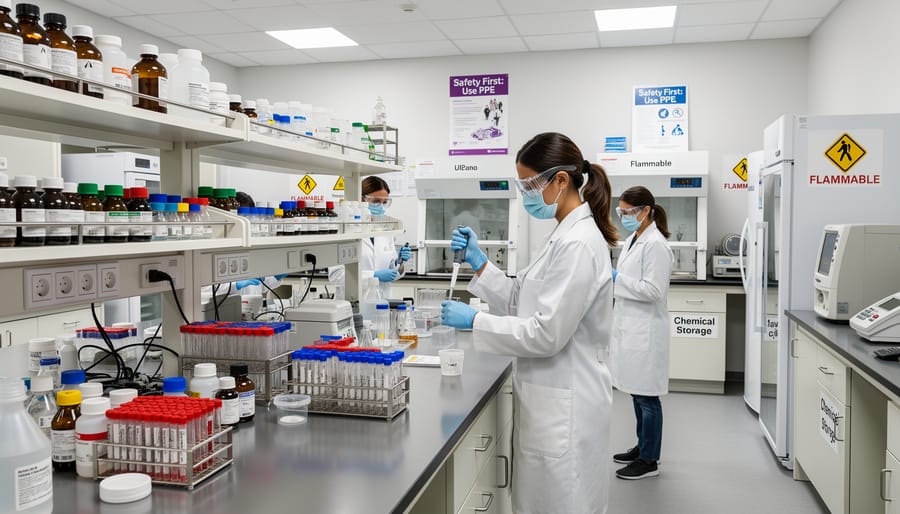
Research peptides are short chains of amino acids typically containing between 2 and 50 amino acid residues, designed and synthesized specifically for scientific investigation rather than human consumption. These bioactive compounds serve as crucial tools in pharmaceutical development, disease mechanism research, and biochemical studies across multiple disciplines.
Over the past five years, Canadian research institutions have significantly expanded their peptide research programs, driven by federal funding increases in biotechnology and the country’s growing life sciences sector. This expansion means research peptides are no longer confined to specialized pharmaceutical laboratories. Today, these substances appear in university biochemistry departments, contract research organizations, quality control facilities, and even smaller biotech startups operating in shared laboratory spaces. The integration of peptide research into campus safety planning has become essential as academic institutions balance scientific advancement with worker protection.
Understanding the terminology surrounding these substances helps OHS professionals identify and manage associated risks:
- Peptide Synthesis
- The laboratory process of chemically linking amino acids in specific sequences to create custom peptide compounds for research applications.
- Bioactive Compounds
- Substances that produce biological effects in living systems, meaning research peptides can trigger physiological responses upon exposure.
- Research-Grade Substances
- Chemical compounds manufactured for laboratory investigation only, not subject to the same purity and safety standards as pharmaceutical-grade materials intended for human use.
- Lyophilized Peptides
- Freeze-dried peptide powders requiring reconstitution, which present specific handling hazards during preparation and can become airborne.
The market for research peptides has grown substantially as Canadian biotechnology companies pursue drug development contracts and therapeutic innovations. Workers in these environments routinely handle substances whose biological effects may not be fully characterized, creating unique occupational exposure scenarios that traditional chemical safety programs may not adequately address. Unlike well-studied industrial chemicals with established exposure limits, many research peptides lack comprehensive toxicological data, placing additional responsibility on safety professionals to implement precautionary measures based on structural analysis and potential mechanisms of action.
Occupational Hazards Associated with Research Peptide Handling
Dermal and Respiratory Exposure Pathways
Research peptides present distinctive exposure risks in occupational settings, with dermal and respiratory pathways being the most significant during everyday tasks. Skin exposure may occur unintentionally when powders are transferred, vials are opened, or spills happen on benches, particularly if staff are not consistently using proper gloves or lab coats. Even minute quantities of peptides can be absorbed through the skin, raising concerns about localized or systemic effects. Inhalation exposure often arises during weighing, solution preparation, or clean-up, where powder or aerosolized particles may become airborne. Simple activities, like uncapping a vial or using pipettes, can release fine particulates if done outside controlled environments. Regular cleaning with improper methods such as dry sweeping can also resuspend residues. Understanding these pathways is essential for risk management, as unrecognized exposures could lead to health effects over time, underscoring the need for facility-specific controls and vigilant worker practices tailored to the unique properties of research peptides.
Allergic and Sensitization Reactions
Workers repeatedly exposed to research peptides can develop immunological reactions even at low exposure levels. Sensitization is a process where the immune system becomes hypersensitive to a substance after repeated contact. In the context of peptides, this can result in allergic responses such as occupational asthma, which is marked by wheezing, coughing, and shortness of breath triggered by inhaling airborne peptide dust or aerosols.
Contact dermatitis is another frequent concern, especially when skin exposure occurs during weighing, mixing, or sample transfer. Symptoms often include persistent redness, itching, and rash on areas like hands and forearms. Once a worker becomes sensitized, further contact with even minute quantities can trigger severe symptoms, and the reactions may worsen over time. For OHS professionals, recognizing early signs and understanding the risk of both acute and chronic allergic responses is crucial for protecting worker health and for developing targeted prevention strategies that go beyond generic chemical safety protocols.
Regulatory Framework and Compliance Requirements in Canada
Research peptides occupy a complex regulatory space in Canada, falling under multiple overlapping frameworks that OHS professionals must navigate. Under WHMIS 2015, research peptides are classified as hazardous products when they meet the criteria outlined in the Hazardous Products Regulations. This means facilities purchasing or handling these substances must maintain Safety Data Sheets, ensure proper labeling, and provide worker education on the specific hazards present. The challenge is that many suppliers of research peptides for sale operate outside traditional chemical supply chains and may not provide compliant documentation, placing the burden on employers to conduct their own hazard assessments.
Provincial occupational health and safety legislation adds another layer of requirements. Most provinces require employers to identify and assess workplace hazards, implement controls, and document these processes. In laboratories and research facilities handling peptides, this translates to written safe work procedures, exposure control plans, and regular workplace inspections. The Canada Labour Code applies to federally regulated workplaces, including many university research facilities and pharmaceutical companies, requiring similar hazard management protocols.
Research facilities face additional considerations under biosafety guidelines when peptides have biological activity. The Public Health Agency of Canada’s biosafety standards may apply depending on the peptide’s properties and intended use. Facilities must determine whether peptides qualify as biohazardous materials, which triggers specific containment and handling requirements beyond standard chemical safety protocols.
The regulatory framework places clear employer safety obligations on organizations to protect workers from peptide exposure, regardless of whether suppliers provide adequate hazard information. This means OHS professionals cannot simply rely on vendor documentation. They must independently assess each peptide’s properties, potential health effects, and appropriate control measures. Provincial regulators increasingly expect documented evidence of these assessments during workplace inspections, particularly following exposure incidents. Understanding this multi-layered regulatory landscape is essential for maintaining compliance and protecting worker health in facilities where research peptides are present.
Implementing Safe Handling Protocols for Research Peptides
PPE Selection and Use
Protecting workers from exposure to research peptides starts with assessing the substance’s properties and ensuring PPE matches the risk level. Choose nitrile or latex gloves resistant to penetration, changing them regularly to avoid cross-contamination. For body protection, select disposable lab coats or gowns that resist liquid splatter, reinforcing coverage for forearms and collar areas. When work may generate aerosols or dust, use a fit-tested N95 respirator or, for highly potent peptides, a powered air-purifying respirator. Eye protection should include chemical splash goggles or face shields, especially during mixing or transfer steps. PPE should only be one piece of a larger strategy emphasizing safe workplace practices; train staff on correct donning, doffing, and disposal, and conduct fit checks and inspections regularly. Review PPE protocols whenever research peptides with new structures or toxicities enter the facility.
Engineering Controls and Ventilation Requirements

Effective control of airborne exposure to research peptides begins with the right engineering controls. Chemical fume hoods are essential where peptide powders or volatile solvents are handled, as they provide directional airflow away from the operator and ensure contaminants are captured at the source. For biological peptides or when procedures may generate aerosols, a certified biological safety cabinet (BSC) offers both product and personnel protection. It’s critical to match the cabinet class (Class II or III) to the risk level and task complexity, confirming all devices receive regular certification and performance checks.
General laboratory ventilation isn’t a substitute for local exhaust controls. Workspaces dealing with research peptides should maintain negative pressure relative to adjacent areas to prevent escape of contaminants, and exhaust air should be filtered through HEPA or carbon media when appropriate. Small changes, such as closing sash windows on fume hoods when not in use, contribute to containment and enhanced occupational safety for staff.
Training Workers and Establishing Exposure Monitoring Programs
Effective worker training is the foundation of any research peptide safety program. Your training curriculum should address both the theoretical understanding of peptide hazards and the practical skills workers need to handle these substances safely. New employees working with or near research peptides require comprehensive orientation before beginning work, while existing staff need annual refresher training to maintain awareness and update them on new protocols or emerging hazards.
Your worker education program should cover several essential topics:
- Specific properties and hazards of peptides used in your facility
- Routes of exposure including dermal, inhalation, and ingestion pathways
- Early recognition of exposure symptoms such as skin irritation, respiratory discomfort, or allergic reactions
- Proper use and limitations of PPE and protection equipment specific to peptide work
- Emergency response procedures including spill cleanup and first aid measures
- Correct peptide reconstitution, transfer, and disposal techniques
Beyond classroom training, hands-on demonstrations of safe handling techniques reinforce learning and allow workers to practice under supervision before working independently. Document all training sessions with attendance records and comprehension assessments.
Exposure monitoring programs should be risk-based rather than universal. Workers handling peptides daily or working with particularly hazardous compounds warrant baseline health assessments and periodic monitoring. This might include pulmonary function testing for those at inhalation risk or skin examinations for workers with dermal exposure potential. Establish clear reporting mechanisms so workers can disclose symptoms without fear of repercussions. Some facilities implement voluntary medical surveillance programs that track patterns across the workforce, helping identify systemic exposure problems before they become serious. Partner with occupational health physicians familiar with biological research hazards to design monitoring protocols appropriate for your specific peptide work.
The emergence of research peptides in Canadian workplaces demands a fundamental shift in how safety professionals approach laboratory and research facility hazards. These substances don’t fit neatly into traditional chemical safety categories, which makes proactive hazard assessment essential rather than optional.
Your responsibility extends beyond reacting to incidents. It requires establishing robust protocols before peptides enter your facility, training workers to recognize exposure risks they may not have encountered before, and implementing monitoring systems that catch problems early. The regulatory landscape will continue evolving as agencies gain better understanding of occupational peptide exposure, so staying current with guidance from Health Canada and provincial regulators isn’t just good practice, it’s necessary for compliance.
Research facilities across Canada are expanding their peptide work, creating demand for safety professionals who understand these unique hazards. Organizations need OHS specialists who can develop peptide-specific safety programs, conduct exposure assessments, and translate emerging science into practical workplace controls. If you’re looking to specialize in an area where your expertise will be increasingly valued, research peptide safety represents a growing niche where knowledgeable professionals are in short supply.
The key is treating research peptides as the distinct occupational hazard category they are, not forcing them into existing frameworks that don’t account for their biological activity and sensitization potential.